AI, automation, and shifting consumer behavior are shaping industries. Stay ahead with these key trends for 2024.
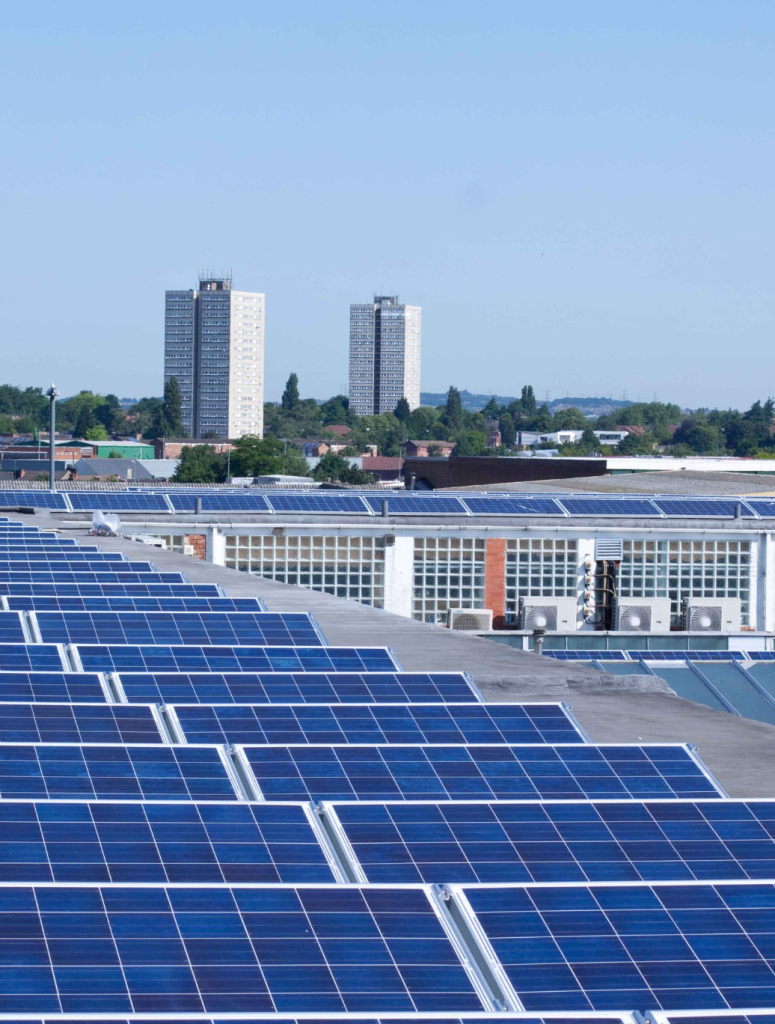
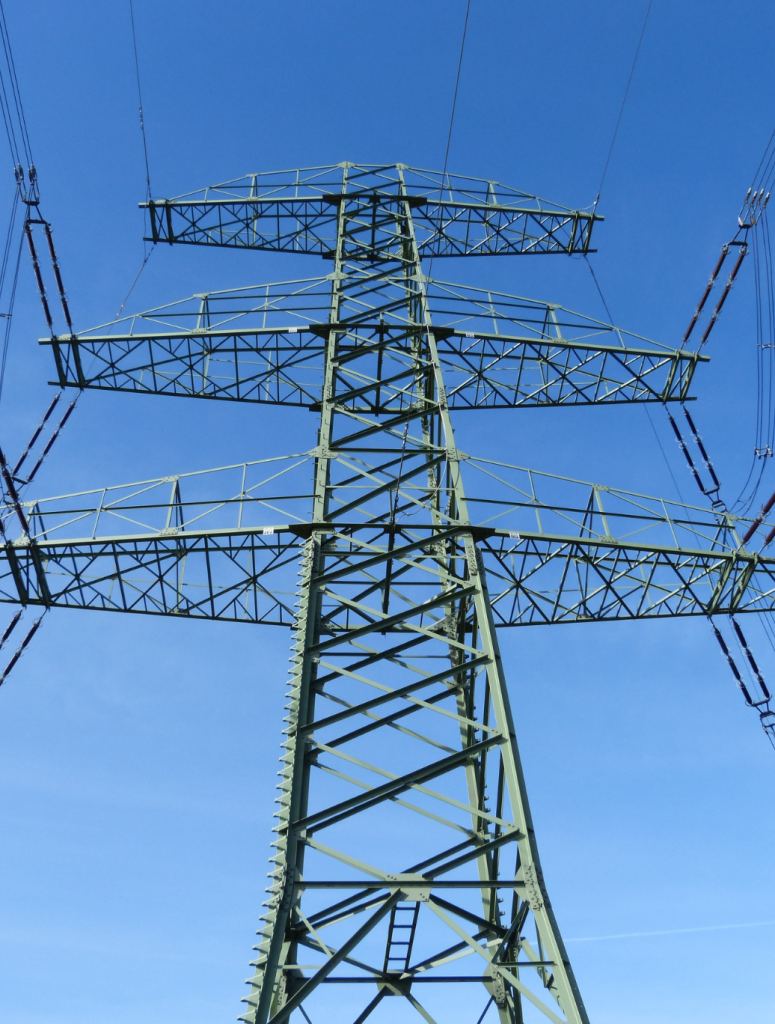
Open Access Solar allows large consumers to buy power directly from independent solar plants at far lower tariffs than the grid. It offers scale, flexibility, and long-term cost stability.
AI, automation, and shifting consumer behavior are shaping industries. Stay ahead with these key trends for 2024.
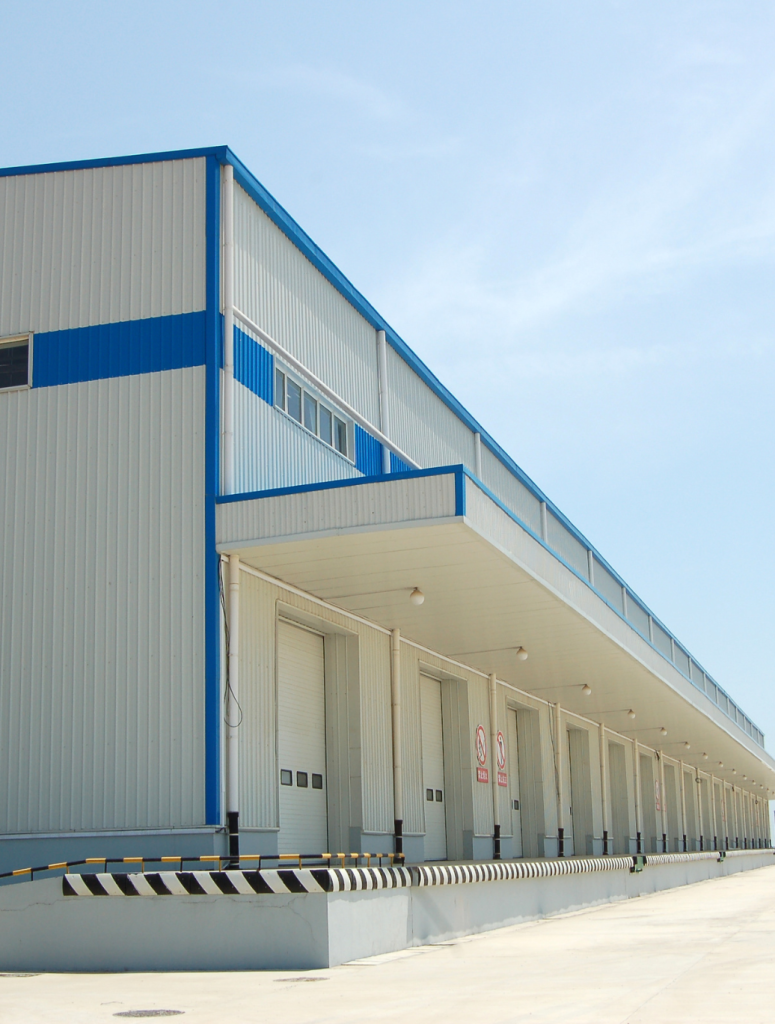
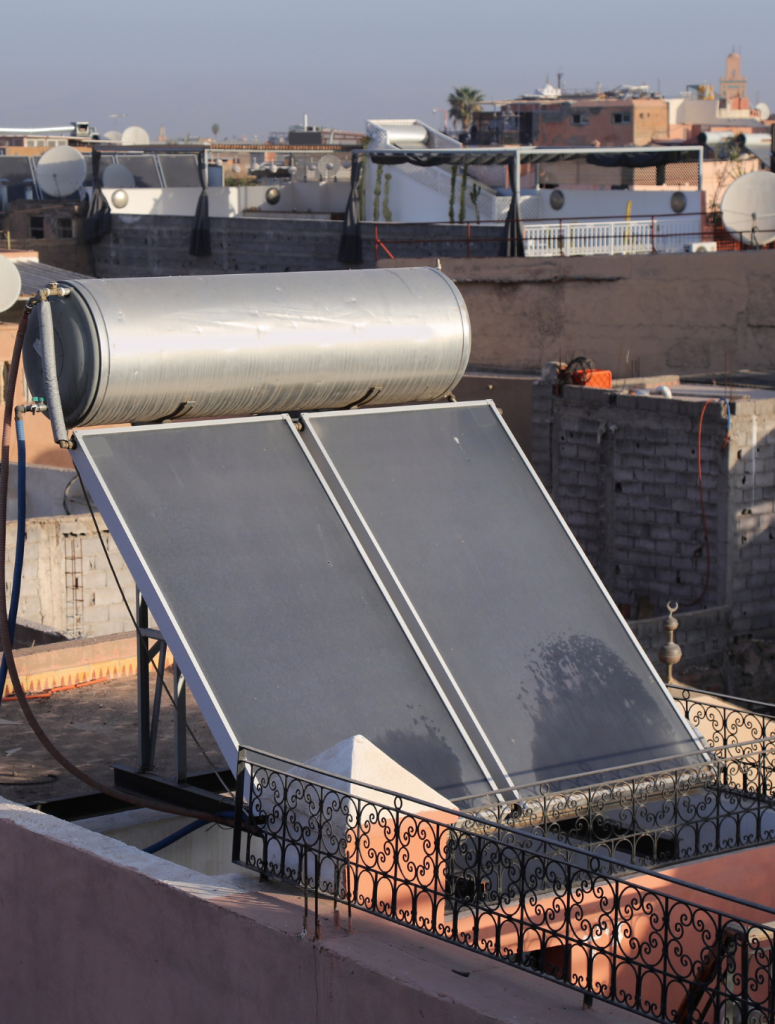
Solar provides predictable, low-cost power, shielding operators from tariff volatility while also meeting compliance expectations set by global logistics clients like Amazon, DHL, Flipkart, and multinational manufacturers.
AI, automation, and shifting consumer behavior are shaping industries. Stay ahead with these key trends for 2024.
Open Access solar offers landed power at ₹3.50–₹4.20 per unit, significantly lower than commercial tariffs of ₹8–₹12. Over 15–20 years, this cost advantage compounds into crores of savings while improving long-term EBITDA stability.
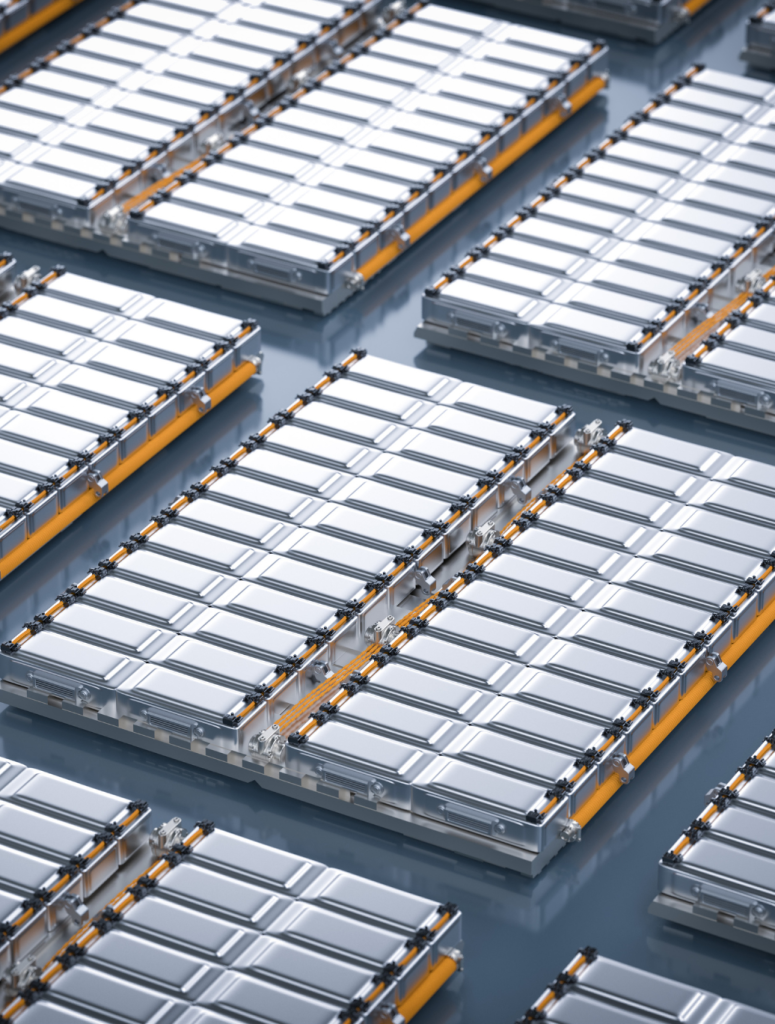
Battery prices have dropped by over 80% in the last decade, and hybrid solar-plus-storage systems are now entering the mainstream. For industries such as data centers, pharmaceutical plants, refrigeration units, textile mills, and logistics hubs, storage is no longer a futuristic concept — it is becoming a financially viable and operationally essential investment in 2025.

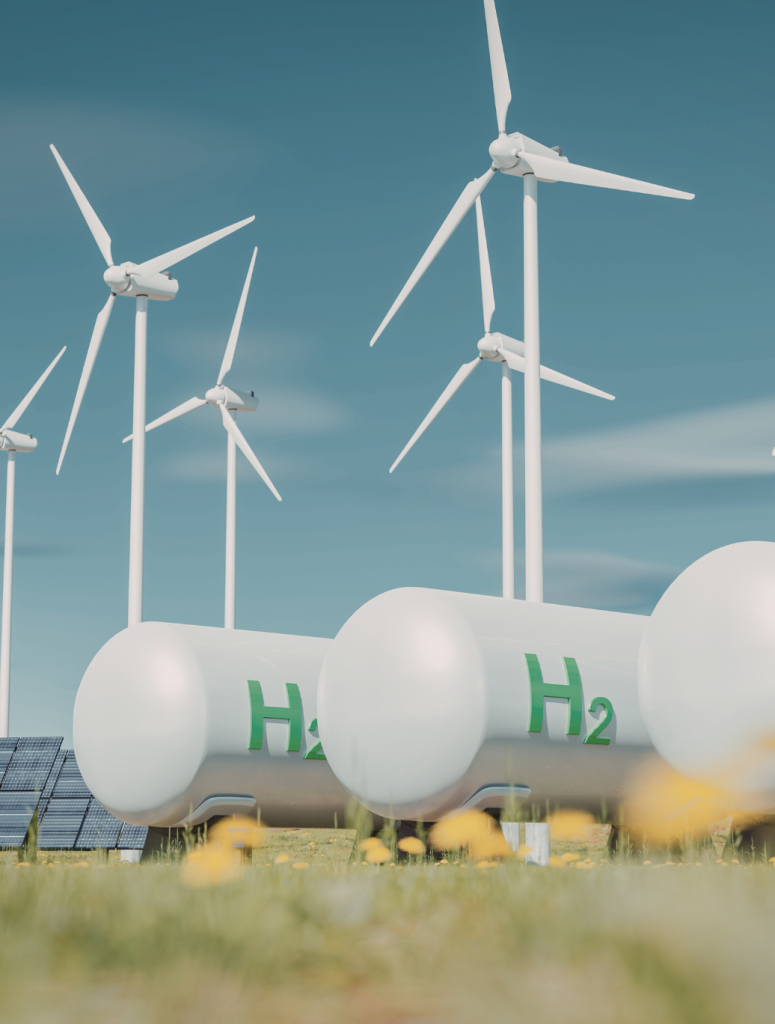
Across the world, companies are under increasing pressure to decarbonize, reduce fossil fuel dependency, and adopt energy systems that are economically viable and environmentally sustainable.
As global industries accelerate their decarbonization commitments, the demand for verified, high-quality renewable energy certificates has surged. Carbon credits and International Renewable Energy Certificates (I-RECs) have now become powerful financial tools for companies, investors, and solar plant owners. These instruments offer a new revenue channel while boosting corporate ESG scores and enabling participation in global carbon markets.
Commercial and industrial (C&I) consumers across India are experiencing some of the steepest tariff hikes in the last decade. With commercial power rates crossing ₹11–₹15 per unit in several states — and additional charges like demand fees, fuel adjustment cost (FAC), cross-subsidy surcharge, and electricity duty adding to the burden — corporates are aggressively exploring alternatives that offer long-term cost stability.
Stay Ahead.
Subscribe for Expert Insights.
You can unsubscribe at any time using the link in the footer of our emails. View our Privacy Policy.